T: 01822 851370 E: [email protected]
Rural Access to Health and Care Services
Rural residents face distinct healthcare challenges, including limited access to transport, longer distances to medical facilities, an aging demographic, housing inadequacies, digital connectivity gaps, and recruitment hurdles for healthcare workers.
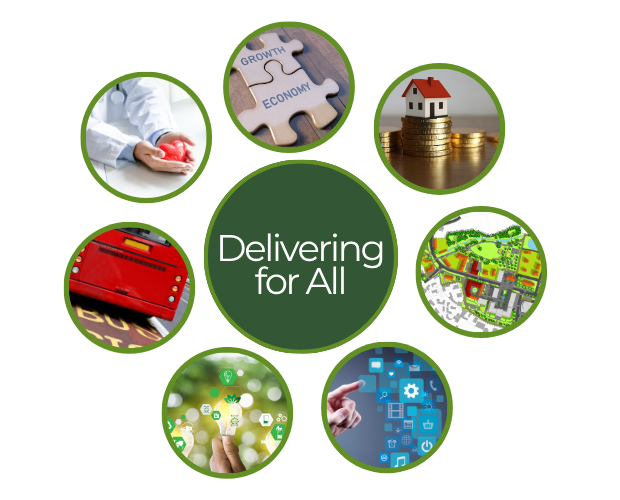
A new policy framework from the Rural Services Network Every person, in every place, deserves the chance to thrive — including those living in rural, coastal and small-town communities. The Rural Services Network is proud to...

Hospice UK has published a significant new report, Bringing Care Closer to Home , which calls for urgent action to address the inequalities faced by people living in remote, rural and island communities when it comes to accessing...

A new report from the Institute for Government , Adult Social Care Across England , reveals stark and growing inequalities in access to publicly funded adult social care, with older adults facing the greatest disparities. The report, part...
The Rural Services Network has today published Delivering for All: A Roadmap for Rural Prosperity —a comprehensive new policy document setting out the case for fairer funding, smarter metrics, and targeted rural policy to ensure that every community can...
The Patients Association is excited to announce the launch of Patient Partnership Week 2025. This week-long programme of free online events will explore how genuine partnership with patients can create a fairer, more responsive and more effective health and care...
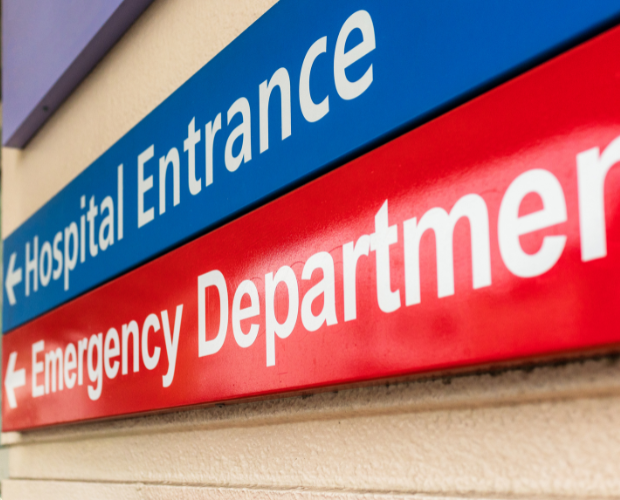
The Government has announced a new package of reforms and investment aimed at improving urgent and emergency care services in England. The plan , backed by nearly £450 million, was published by the Department of Health and Social Care ,...

Recently, the University of Plymouth hosted the National and International Perspectives of Dementia conference, bringing together global experts and community representatives to highlight innovative projects and research aimed at supporting people living with dementia. Held at Plymouth Argyle’s Home...

RABI has announced the forthcoming launch of FarmersAid, a pioneering initiative that will provide farmers with vital, real-time trauma guidance to use in the crucial moments following a serious on-farm accident. Launching in January 2026, the first phase...

The latest Housing, Communities and Local Government Committee session held on 7th May 2025, placed funding and sustainability of local government finance under close examination. Minister of State for Local Government and English Devolution, Jim McMahon MP,...

The Health and Social Care Committee has delivered a stark warning to Government: without fully understanding and addressing the true cost of inaction, efforts to reform England’s social care system risk inevitable failure. In its latest report, ...
NEWSLETTER
Sign up to receive all our latest news and updates.
HOT TOPICS
Amid reduced public spending, fair resource allocation across regions is crucial. Despite a population larger than Greater London, rural areas receive significantly less funding for essential services, even though delivering these services in rural areas is more expensive.
Economic growth is widely acknowledged as essential for national wealth and prosperity and is a priority for political parties. Rural economies, employing millions and home to a higher proportion of small businesses, have potential for growth if barriers are removed.
Rural residents face distinct healthcare challenges, including limited access to transport, longer distances to medical facilities, an aging demographic, housing inadequacies, digital connectivity gaps, and difficulties recruiting health and care workers.
Rural communities are grappling with a severe affordable housing crisis, marked by high house prices, a lack of affordable housing, elevated living costs, and lower incomes, threatening their sustainability and vitality.
Transport is vital for the quality of life and economic health of rural areas, yet it faces challenges such as infrequent public bus services and less Government funding compared to urban regions.
Rural areas, encompassing a substantial portion of England's population and land, play a pivotal role in combating climate change and achieving the net zero target.
In an increasingly digital world, the lack of robust digital infrastructure in rural areas severely limits access to crucial services and stifles economic growth.
A future-focused vision for rural communities involves not just building the right homes in the right places but also ensuring thriving, sustainable communities.
SIGN UP TO OUR NEWSLETTER
Sign up to our newsletter to receive all the latest news and updates.
Part of and working with: