T: 01822 851370 E: [email protected]
Visit RSN Survey about life in rural England to find out more.
Rural Access to Health and Care Services
Rural residents face distinct healthcare challenges, including limited access to transport, longer distances to medical facilities, an aging demographic, housing inadequacies, digital connectivity gaps, and recruitment hurdles for healthcare workers.

A new policy framework from the Rural Services Network Every person, in every place, deserves the chance to thrive — including those living in rural, coastal and small-town communities. The Rural Services Network is proud to launch Delivering for All:...

A new report examining rural and island communities in Scotland has highlighted growing pressures on childcare and older people’s care, set within a wider analysis of demographic change, workforce availability, connectivity and economic sustainability — challenges that closely mirror those...

A new report from the Public Accounts Committee has warned that England’s children’s residential care system is failing vulnerable children and placing growing, unsustainable pressure on local authorities. The Committee found that in September 2024 nearly 800 children - around...

The Patients Association is gathering patient and public perspectives on the regulation of artificial intelligence (AI) in healthcare. These views will inform its response to the Medicines and Healthcare products Regulatory Agency (MHRA) call for evidence on the regulation of...

A new report from the House of Lords Economic Affairs Committee has warned that the UK is significantly underprepared for the economic and social impacts of an ageing population. The report, Preparing for an ageing society, highlights how rising life...
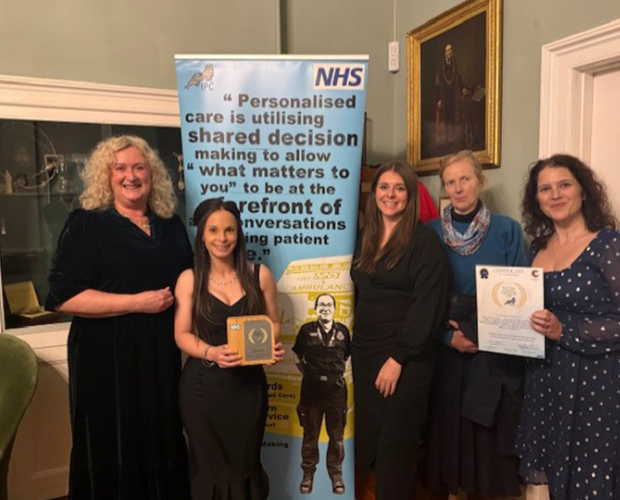
A project supported by the Cornwall Partnership NHS Foundation Trust, which aims to improve access to health services for people in rural areas, has won a national award. Rachel Williams is a consultant respiratory practitioner for the Trust. She has...

The government has launched an independent review examining how mental health, ADHD and autism services are currently delivered, amid rising demand and growing pressures across the system. The review, led by clinical psychologist Professor Peter Fonagy, will investigate what is...

Tens of thousands of pensioners and children will be forced through their doors this Christmas. New figures from Trussell reveal a sharp rise in the need for winter food parcels compared to five years ago. Food banks in the...

The Department for Education has launched a new national engagement campaign to gather views from parents, carers, young people and professionals on the future of the Special Educational Needs and Disabilities (SEND) system. The initiative aims to create “the biggest...

We’re delighted to launch the RSN Member Exclusive Seminar Programme for 2026, bringing together industry experts, rural practitioners, and sector leaders to explore the major issues shaping rural communities across England. Our seminars are a core RSN member benefit, highly...
NEWSLETTER
Sign up to receive all our latest news and updates.
HOT TOPICS
Amid reduced public spending, fair resource allocation across regions is crucial. Despite a population larger than Greater London, rural areas receive significantly less funding for essential services, even though delivering these services in rural areas is more expensive.
Economic growth is widely acknowledged as essential for national wealth and prosperity and is a priority for political parties. Rural economies, employing millions and home to a higher proportion of small businesses, have potential for growth if barriers are removed.
Rural residents face distinct healthcare challenges, including limited access to transport, longer distances to medical facilities, an aging demographic, housing inadequacies, digital connectivity gaps, and difficulties recruiting health and care workers.
Rural communities are grappling with a severe affordable housing crisis, marked by high house prices, a lack of affordable housing, elevated living costs, and lower incomes, threatening their sustainability and vitality.
Transport is vital for the quality of life and economic health of rural areas, yet it faces challenges such as infrequent public bus services and less Government funding compared to urban regions.
Rural areas, encompassing a substantial portion of England's population and land, play a pivotal role in combating climate change and achieving the net zero target.
In an increasingly digital world, the lack of robust digital infrastructure in rural areas severely limits access to crucial services and stifles economic growth.
A future-focused vision for rural communities involves not just building the right homes in the right places but also ensuring thriving, sustainable communities.
SIGN UP TO OUR NEWSLETTER
Sign up to our newsletter to receive all the latest news and updates.
Part of and working with: