T: 01822 851370 E: [email protected]
News

Last week, the Government published a new draft Local Government Outcomes Framework , setting out a proposed structure for how central and local government might work together to measure progress on key public service outcomes. The framework identifies priority...
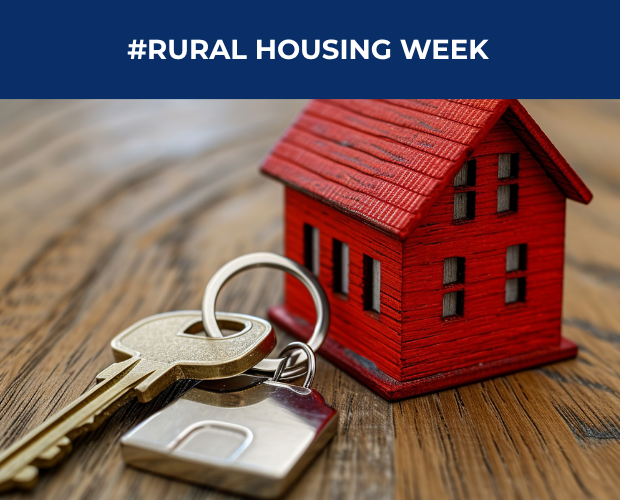
The Government has published its response to the consultation on reforming the Right to Buy scheme in England. The reforms are intended to retain a pathway to home ownership for long-standing tenants, while introducing new measures to help...

The Department of Health and Social Care has released its new 10-Year Health Plan for England , outlining how the NHS will be reshaped over the next decade to improve patient care, reduce waiting times, and address long-standing workforce...

Young Somerset has published its latest Impact Report , offering a powerful insight into the breadth of support provided to children, young people and families across the county. Originally founded as the Somerset Rural Youth Project, Young...
Bookings are now officially open for the National Rural Conference 2025, which will take place online from Monday 15 to Thursday 18 September. This is the Rural Services Network’s flagship event of the year, bringing together rural decision-makers,...

The Government has published a new Modern Industrial Strategy setting out its long-term vision for securing economic growth, increasing productivity, and fostering investment across priority sectors and regions of the UK. The strategy follows extensive engagement through the...

The National Audit Office (NAO) has published a critical new report examining the state of local bus services in England, highlighting a long-term decline in services outside London — with particularly concerning implications for rural communities. According to...

Hospice UK has published a significant new report, Bringing Care Closer to Home , which calls for urgent action to address the inequalities faced by people living in remote, rural and island communities when it comes to accessing...
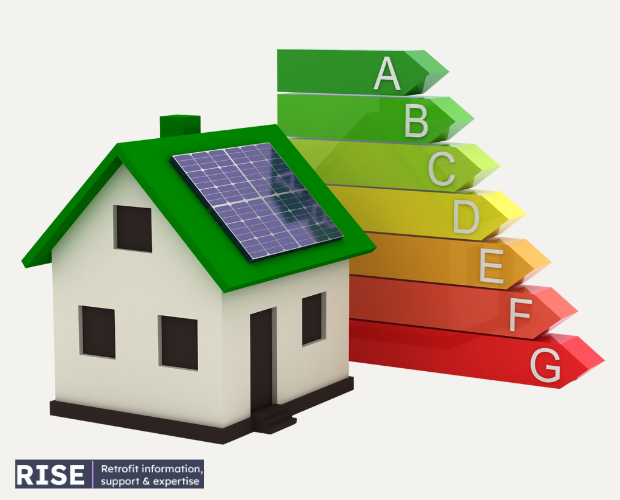
Understanding the New RdSAP10 – What Rural Housing Providers Need to Know If you are involved in managing housing stock, planning retrofit projects, or working towards improving energy performance across rural homes, you need to be aware of...

A new report from the Institute for Government , Adult Social Care Across England , reveals stark and growing inequalities in access to publicly funded adult social care, with older adults facing the greatest disparities. The report, part...
NEWSLETTER
Sign up to receive all our latest news and updates.
HOT TOPICS
Amid reduced public spending, fair resource allocation across regions is crucial. Despite a population larger than Greater London, rural areas receive significantly less funding for essential services, even though delivering these services in rural areas is more expensive.
Economic growth is widely acknowledged as essential for national wealth and prosperity and is a priority for political parties. Rural economies, employing millions and home to a higher proportion of small businesses, have potential for growth if barriers are removed.
Rural residents face distinct healthcare challenges, including limited access to transport, longer distances to medical facilities, an aging demographic, housing inadequacies, digital connectivity gaps, and difficulties recruiting health and care workers.
Rural communities are grappling with a severe affordable housing crisis, marked by high house prices, a lack of affordable housing, elevated living costs, and lower incomes, threatening their sustainability and vitality.
Transport is vital for the quality of life and economic health of rural areas, yet it faces challenges such as infrequent public bus services and less Government funding compared to urban regions.
Rural areas, encompassing a substantial portion of England's population and land, play a pivotal role in combating climate change and achieving the net zero target.
In an increasingly digital world, the lack of robust digital infrastructure in rural areas severely limits access to crucial services and stifles economic growth.
A future-focused vision for rural communities involves not just building the right homes in the right places but also ensuring thriving, sustainable communities.
SIGN UP TO OUR NEWSLETTER
Sign up to our newsletter to receive all the latest news and updates.
Part of and working with: