T: 01822 851370 E: [email protected]
Visit RSN Survey about life in rural England to find out more.
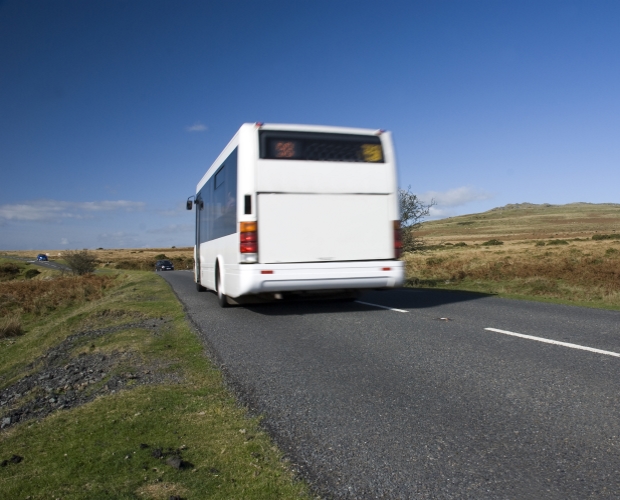
A local council has issued a £15,000 grant to support a community transport service which connects people in rural areas to vital services. North Lincolnshire Council gave the grant to the Humber and Wolds Rural Community Council for their Voluntary Car Service, which...
Public funding cuts are contributing to a dramatic shrinking of Britain's bus network, suggests a study. Britain's bus routes have lost 134 million miles of coverage over the past decade alone, according to the BBC Local News Partnership...
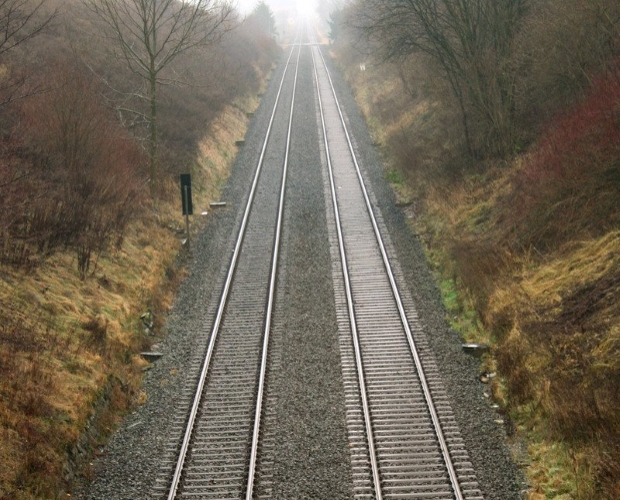
RURAL residents are being urged to respond to a Department for Transport consultation on community railways. A community rail line is a railway supported by a local partnership giving local people a say in the development and promotion...
A new network of travel hubs could give rural residents better access to public transport services. The hubs would make it easier for people from across South Cambridgeshire travel too and from Cambridge. Mini park and ride or park and...
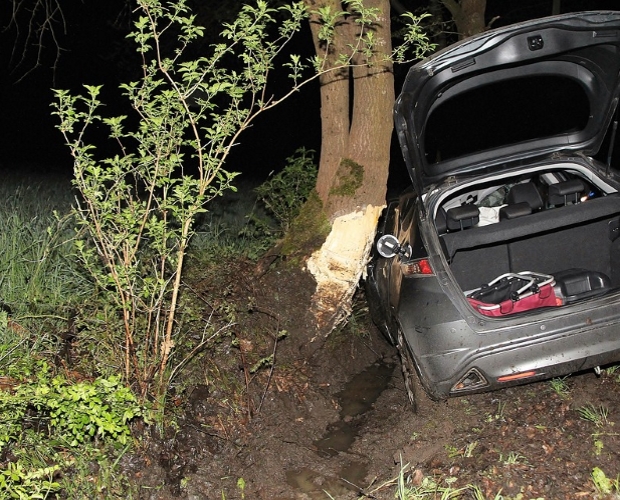
Learner drivers should receive compulsory lessons on rural roads to reduce fatalities, say safety campaigners. Road safety charity Brake said a graduated licensing system would cut the number of accidents and serious injuries. It wants compulsory lessons on rural roads...
PRESS RELEASEFor immediate release Thursday 3 August 2017 Responding to a government decision that community transport operators bidding for local authority bus service contracts may require a PSV (Public Service Vehicle) operator licence*, Rural Services Network assistant director Andy Dean...

Launched at the House of Commons in January 2017, the State of Rural Services 2016 Report, not surprisingly, concludes that public and private sector service provision is reducing in rural areas – broadly due to a combination of austerity and...
Research has consistently identified the overwhelming need for public transport in rural areas. The groups of people most directly affected are set out in many reports as follows: • Older people. Many elderly people are unable to...
NEWSLETTER
Sign up to receive all our latest news and updates.
HOT TOPICS
Amid reduced public spending, fair resource allocation across regions is crucial. Despite a population larger than Greater London, rural areas receive significantly less funding for essential services, even though delivering these services in rural areas is more expensive.
Economic growth is widely acknowledged as essential for national wealth and prosperity and is a priority for political parties. Rural economies, employing millions and home to a higher proportion of small businesses, have potential for growth if barriers are removed.
Rural residents face distinct healthcare challenges, including limited access to transport, longer distances to medical facilities, an aging demographic, housing inadequacies, digital connectivity gaps, and difficulties recruiting health and care workers.
Rural communities are grappling with a severe affordable housing crisis, marked by high house prices, a lack of affordable housing, elevated living costs, and lower incomes, threatening their sustainability and vitality.
Transport is vital for the quality of life and economic health of rural areas, yet it faces challenges such as infrequent public bus services and less Government funding compared to urban regions.
Rural areas, encompassing a substantial portion of England's population and land, play a pivotal role in combating climate change and achieving the net zero target.
In an increasingly digital world, the lack of robust digital infrastructure in rural areas severely limits access to crucial services and stifles economic growth.
A future-focused vision for rural communities involves not just building the right homes in the right places but also ensuring thriving, sustainable communities.
SIGN UP TO OUR NEWSLETTER
Sign up to our newsletter to receive all the latest news and updates.
Part of and working with: