
Rural Communities

20 Jul 2026
New Flexible Bus Service Goes the Extra Mile
A new demand-responsive bus service has launched in Westmorland and Furness, offering a fresh approach to tackling one of rural communities’ most persistent challenges – access to reliable public transport....
Read more
13 Jul 2026
Report Highlights Rural Economy Priorities
A report published today by the Labour Rural Research Group explores the opportunities and challenges facing the rural economy and sets out a series of recommendations aimed at unlocking growth...
Read more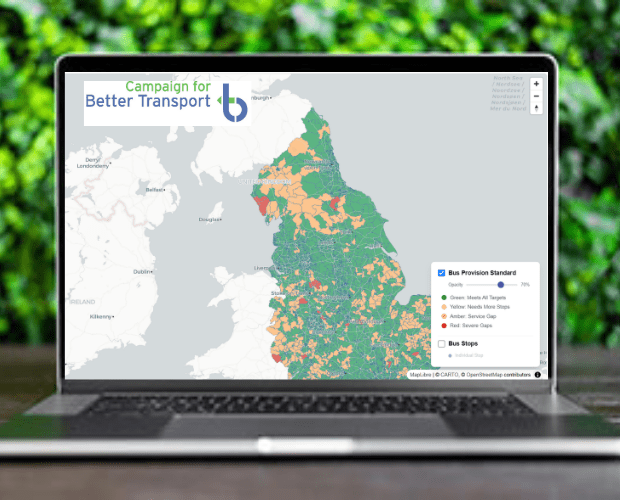
13 Jul 2026
New Mapping Tool Highlights Gaps in Bus Services
A new interactive Bus Mapping Tool from the Campaign for Better Transport is providing a detailed picture of where bus services are falling short across England and Wales, helping identify...
Read more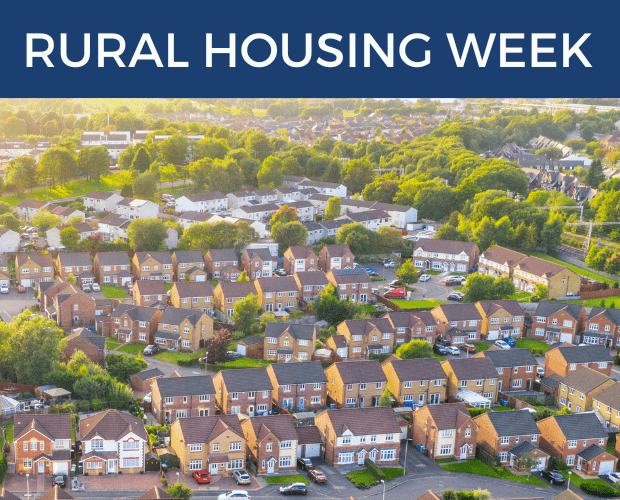
06 Jul 2026
Rural Housing Is About More Than Homes
As Rural Housing Week shines a spotlight on the need for more affordable homes, the Rural Services Network is calling for a broader conversation about the role housing plays in...
Read more
23 Jun 2026
Rural Banking Access Raised In Lords
Access to face-to-face banking services was discussed in the House of Lords last week, with peers highlighting the importance of maintaining access for rural, coastal and vulnerable communities.
Read more
02 Jun 2026
Community Pharmacies To Deliver More NHS Care
Community pharmacies are set to play an expanded role in NHS care under a new £340 million funding agreement and reforms due to be introduced from autumn 2026.
Read more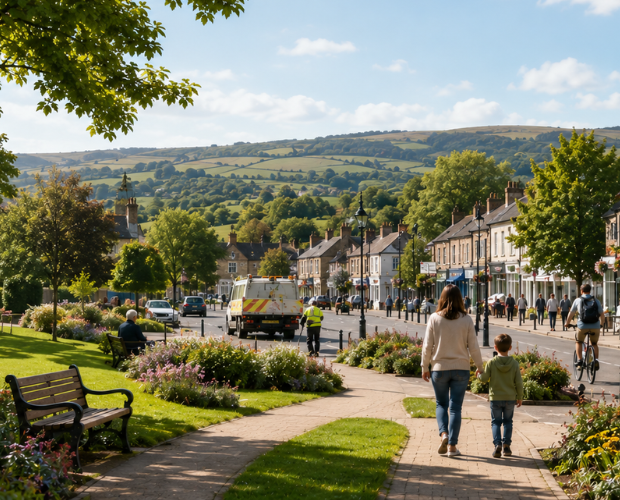
26 May 2026
New Neighbourhood Guarantee Aims To Improve Local Services
Communities across England are set to see changes to local public services under a new government-backed “Neighbourhood Guarantee”, recently announced by the Ministry of Housing, Communities and Local Government.
Read more
12 May 2026
Report Reveals Rural Energy And Water Pressures
A new report from Rural England CIC has highlighted the very different energy and water challenges faced by people living in rural communities.
Read more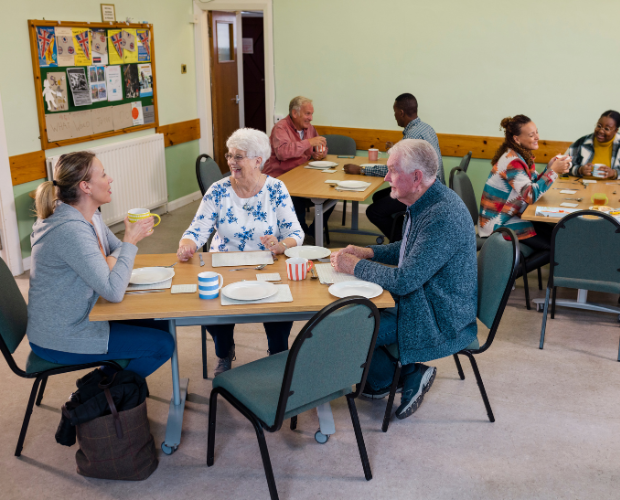
12 May 2026
Chief Medical Officer Explores Rural Health Challenges In Devon
England’s Chief Medical Officer, Sir Chris Whitty, has visited Devon as part of a wider fact-finding tour examining the health challenges facing people living in rural towns and communities.
Read more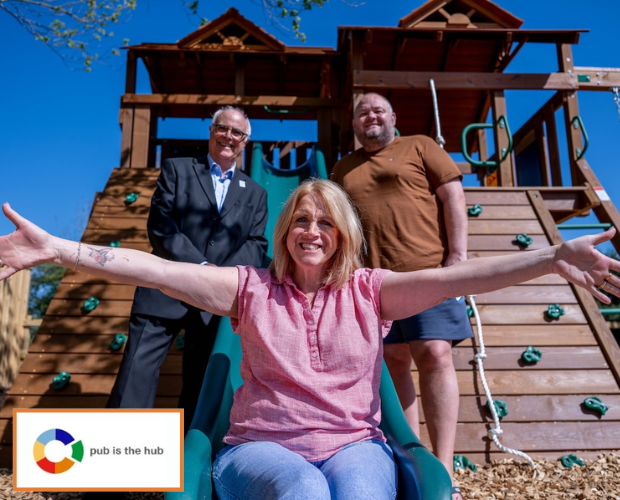
11 May 2026
Norfolk Pub Creates New Space For Families To Connect
A village pub in West Walton, Norfolk, is strengthening its role as a vital community hub with the launch of a new children’s play area and family?friendly seating space. Publicans...
Read more