
Government Policy 2025
15 Dec 2025
Local Government Finance Settlement Due
Local Authorities across the country are waiting for the Provisional local Government Finance Settlement, due to be published this week. This will be the first settlement following changes made to...
Read more
15 Dec 2025
Review Launched into Mental Health, ADHD and Autism Services
The government has launched an independent review examining how mental health, ADHD and autism services are currently delivered, amid rising demand and growing pressures across the system. The review, led...
Read more
15 Dec 2025
Government Unveils Child Poverty Strategy for 2030
The Government has published its new Child Poverty Strategy, setting out measures it says will lift around 550,000 children out of poverty by the end of this Parliament. The strategy...
Read more
08 Dec 2025
£3bn Funding Settlement Unveiled For Local Bus Services
The government has announced a £3 billion funding package to support bus services and infrastructure across England, aiming to deliver more frequent, reliable and affordable services for passengers. The announcement...
Read more
08 Dec 2025
National Conversation On SEND Reform Begins
The Department for Education has launched a new national engagement campaign to gather views from parents, carers, young people and professionals on the future of the Special Educational Needs and...
Read more
01 Dec 2025
Budget 2025: Rural Impact At A Glance
The Rural Services Network has put together an initial overview of the Government’s 2025 Budget, highlighting the headline measures and the early implications for rural areas across energy, transport, housing,...
Read more
01 Dec 2025
Government Sets Out Next Steps For New Local Plan System
Housing and Planning Minister, Matthew Pennycook has provided an update on the government’s reforms to the local plan-making system in England, confirming key legislative, funding and timetable measures intended to...
Read more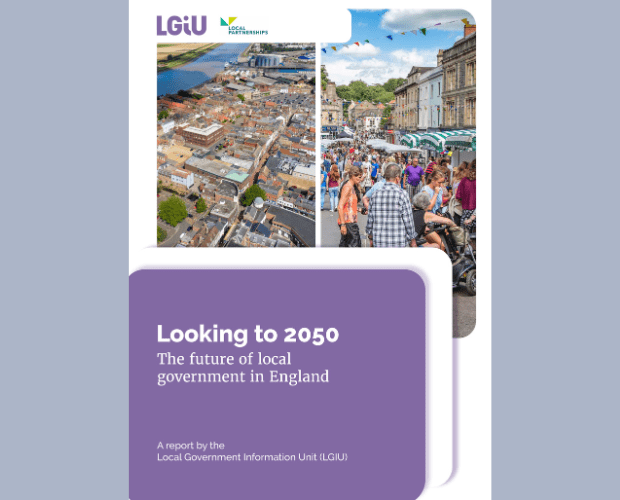
01 Dec 2025
New Research Explores The Future Shape Of Local Government In England
A new report from the Local Government Information Unit (LGIU), produced in partnership with Local Partnerships, examines how England’s evolving governance system could operate by 2050. Drawing on a survey...
Read more
24 Nov 2025
RTPI Calls for Rural Focus in English Devolution and Community Empowerment Bill
The Royal Town Planning Institute (RTPI) has published an amendment briefing calling for the English Devolution and Community Empowerment Bill to explicitly recognise and address the needs of rural communities....
Read more
18 Nov 2025
Removing Rural Barriers Could Unlock Major Opportunities
The House of Lords Social Mobility Policy Committee has today published its report Social Mobility: Local Roots, Lasting Change setting out how educational and work opportunities must be better integrated...
Read more