
Rural Fair Funding
Amid reduced public spending, fair resource allocation across regions is crucial. Despite a population larger than Greater London, rural areas receive significantly less funding for essential services, even though delivering these services in rural locales is costlier.

27 Apr 2026
Leaders Highlight Rural Role in National Resilience
A coalition of rural local authorities has written to ministers, setting out the critical role that rural and peripheral areas can play in strengthening the UK’s resilience and prosperity.
Read more
27 Apr 2026
Rural Coalition Raises Key Concerns With DEFRA Minister
Rural Coalition Raises Key Concerns With DEFRA Minister
Read more
21 Apr 2026
Rural Coalition Raises Key Concerns with DEFRA Minister
Rural Coalition Raises Key Concerns with DEFRA Minister
Read more
13 Apr 2026
Shropshire Funding Set To Fall 29% Below National Average
The Rural Services Network (RSN) has recently provided individual funding analysis to its SPARSE local authority members, examining the implications of the final Local Government Finance Settlement over the multi-year...
Read more
13 Apr 2026
Meet the Voices Shaping Our Rural Economy Seminar
We’re looking forward to welcoming a strong line-up of expert speakers to our upcoming RSN Member Exclusive Seminar on the Rural Economy taking place in just two weeks.
Read more
13 Apr 2026
Call for Evidence on the Future of the Rural Economy
The Labour Rural Research Group (LRRG) has launched a new call for evidence to inform its upcoming report on the future of the rural economy, taking a forward-looking view to...
Read more
07 Apr 2026
Integrated Transport Strategy Published
The Department for Transport has published Better Connected: A Strategy for Integrated Transport, setting out a long-term vision for a transport system that is “safe, reliable, affordable and accessible” across...
Read more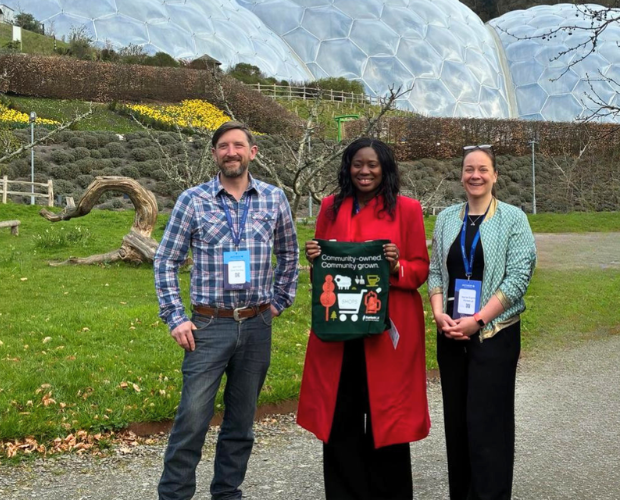
07 Apr 2026
Questions Raised Over Reach of ‘Pride in Place’ Scheme
Plunkett UK and local campaigners in Cornwall called on the government to provide even stronger support for rural communities during a recent event at The Eden Project.
Read more
07 Apr 2026
Simpler Recycling Rollout Starts
Clear new rules on how households sort their recycling and waste have come into force across England, aiming to end longstanding confusion and support more consistent, streamlined collections.
Read more
30 Mar 2026
Rural Communities In Focus
Last week we held another highly engaging RSN member-exclusive seminar, this time focused on rural communities. The session brought together a strong mix of national insight and local experience, with...
Read more