
Government Policy 2026

21 Jul 2026
RSN Response To The Prime Minister’s First Speech
The Rural Services Network (RSN) congratulates the Prime Minister on taking office and looks forward to hearing more about the Government’s plans to support communities across the country. The Prime...
Read more
20 Jul 2026
Government Confirms LGR Decisions
The Government has confirmed the next phase of Local Government Reorganisation (LGR), setting out decisions on new unitary authority arrangements across 14 areas in England. The announcement affects a number...
Read more
20 Jul 2026
School’s Out, Adventures Await, If You Can Get There
With the summer holidays now underway in some parts of England and just about to begin in others, there is some welcome news for many families. Throughout August, children aged...
Read more
17 Jul 2026
RSN Response To DEFRA’s Future Of Rural England Report
The Rural Services Network (RSN) has responded to the publication of Defra’s Future of Rural England Report, having contributed to the Rural Taskforce which informed the development of the report. Bringing...
Read more
13 Jul 2026
Public Invited to Shape the Future of Adult Social Care
The public will be invited to help shape the future of adult social care in England as part of a major national conversation being launched by the Casey Commission later...
Read more
06 Jul 2026
Green Book Reforms To Boost Regional Investment
The Government has announced further reforms to the Treasury‘s Green Book, aiming to ensure investment decisions better reflect the needs and opportunities of communities across the UK. The Green Book...
Read more
30 Jun 2026
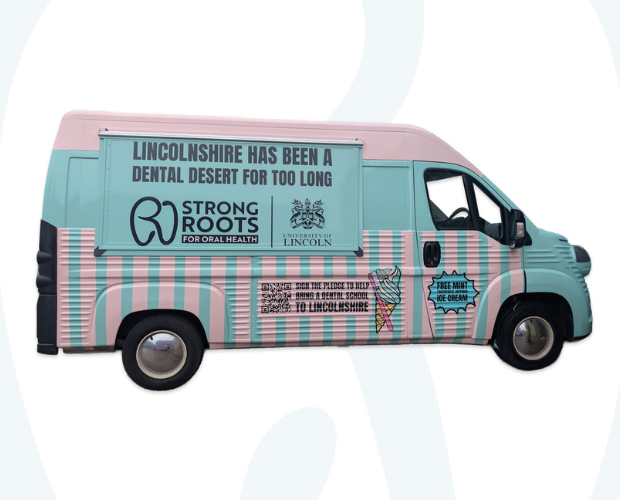
University Continues Campaign For Lincoln Dental School
The University of Lincoln's campaign to establish a dental school in the county has continued to gather momentum following provisional approval from the General Dental Council for its new BSc...
Read more
30 Jun 2026
A 25-Year Farming Roadmap For England
The Government has published a new 25-year Farming Roadmap, setting out its long-term vision for English agriculture to 2050 alongside its formal response to the independent Farming Profitability Review led...
Read more
23 Jun 2026
Can Devolution Deliver More Affordable Homes In Rural Areas?
As England's devolution agenda continues to reshape local government, questions are being asked about what the changes could mean for rural communities and the delivery of affordable housing.
Read more