Access to services
20 Jul 2026
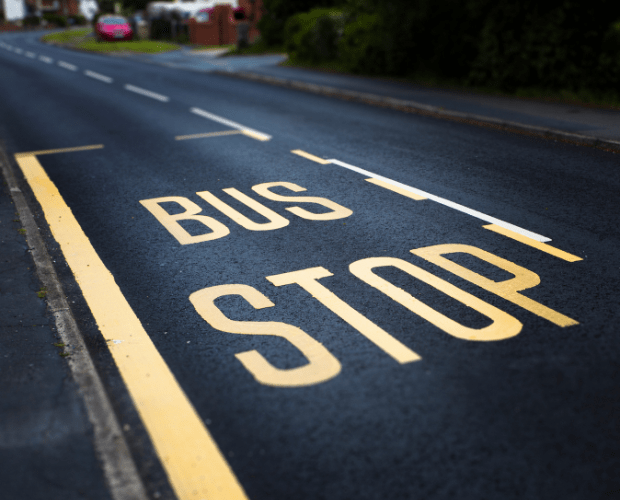
New Flexible Bus Service Goes the Extra Mile
A new demand-responsive bus service has launched in Westmorland and Furness, offering a fresh approach to tackling one of rural communities’ most persistent challenges – access to reliable public transport....
Read more
20 Jul 2026
School’s Out, Adventures Await, If You Can Get There
With the summer holidays now underway in some parts of England and just about to begin in others, there is some welcome news for many families. Throughout August, children aged...
Read more
23 Jun 2026
Rural Transport: A Vital Link
Last week marked Better Transport Week, an annual opportunity to highlight the important role transport plays in connecting people with jobs, services, opportunities and each other.
Read more
23 Jun 2026
Rural Banking Access Raised In Lords
Access to face-to-face banking services was discussed in the House of Lords last week, with peers highlighting the importance of maintaining access for rural, coastal and vulnerable communities.
Read more
02 Jun 2026
Meet The Voices Shaping Rural Transport
Wednesday 3 June | 11:00–13:00 | Online We’re looking forward to welcoming an excellent line-up of speakers to our upcoming RSN Member Exclusive Seminar on Rural Transport. Transport remains one...
Read more
26 May 2026
New Neighbourhood Guarantee Aims To Improve Local Services
Communities across England are set to see changes to local public services under a new government-backed “Neighbourhood Guarantee”, recently announced by the Ministry of Housing, Communities and Local Government.
Read more
26 May 2026
MPs Raise Concerns Over Rural Access To Banking Services
MPs from across the political spectrum have urged the Government to review how banking hubs are assessed and delivered, warning that rural communities are being left behind as bank branch...
Read more
18 May 2026
New AI-Powered GOV.UK Chat Tool Launched
A new AI-powered tool designed to help people access government information and support more quickly has been launched through the GOV.UK app.
Read more
18 May 2026
Review Into Access to Face-to-Face Banking Services
A new independent review into access to face-to-face banking services across the UK has been launched amid concerns about the impact of bank branch closures on communities and vulnerable customers.
Read more
30 Mar 2026
Digital Transition ‘Not Working For Everyone’, New Report Warns
A new report from The Connection Project, Misconnected: How the UK can choose a better digital future, warns that the UK’s shift to digital services is not working equally for...
Read more