02 Mar 2026
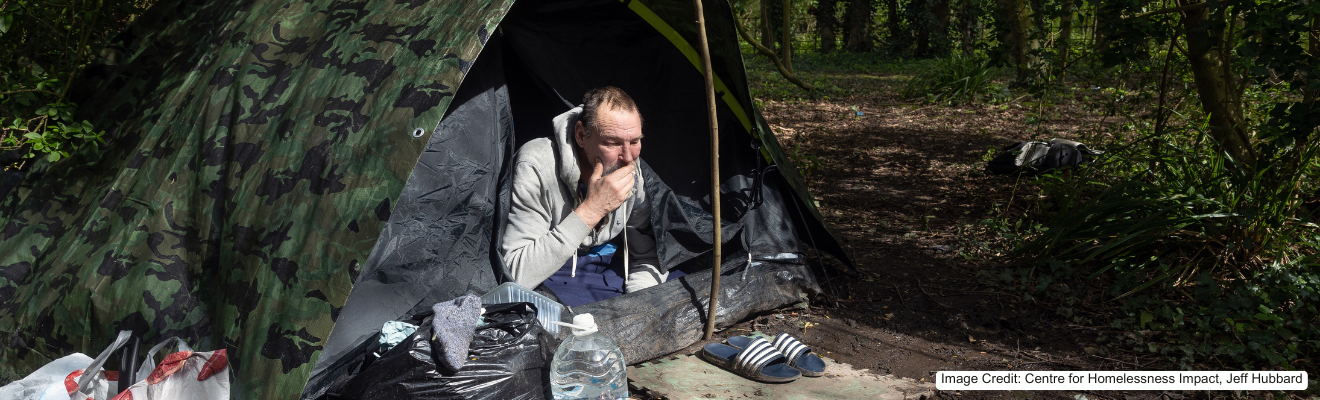
The Government has announced over £50 million in new funding to tackle homelessness and rough sleeping across England, as part of its £3.6 billion National Plan to End Homelessness.
The investment is split across two programmes:
£37 million – Ending Homelessness in Communities Fund
A new three-year grant programme (2026–2029) for voluntary, community and faith-based organisations in England with an annual income below £5 million. The fund will be allocated competitively to strengthen frontline prevention and support services, including staffing, capacity-building and trauma-informed approaches.
£15 million – Long-Term Rough Sleeping Innovation Programme
Running from April 2026 to 2029, this programme will target London and 27 other areas facing the highest levels of long-term rough sleeping. It aims to support more joined-up and personalised responses, including complex case co-ordination and improved partnership working.
The funding is intended to help deliver the Government’s commitment to halve long-term rough sleeping by the end of this Parliament, alongside wider pledges to end the unlawful use of B&Bs for families and prevent more households from becoming homeless.
Further detail is available in the full announcement here.

While national data on rough sleeping often focuses on visible street homelessness in urban centres, the Rural Services Network has consistently highlighted the issue of hidden homelessness in rural, coastal and small-town communities.
As set out in our Delivering for All roadmap, rural housing need can be masked when statistics are collected across large geographical areas, meaning that deprivation and homelessness risk are not always visible at headline level
Rural areas face distinctive pressures, including:
- A shortage of genuinely affordable homes
- Higher house price to earnings ratios
- Rising waiting lists for social housing
- Limited access to specialist support services
In rural communities, homelessness may present as sofa surfing, overcrowding, unsafe housing, or long-distance placements away from support networks, rather than visible street homelessness.
 |
Kerry Booth, Chief Executive of the Rural Services Network:
|
The RSN is a member of the Rural Homelessness Counts Coalition and has consistently called for any national homelessness strategy to explicitly invest in solutions tailored to rural areas and to ensure that policy is rural proofed.